


How To Gain Muscle
ntroduction
Building muscle is a goal many individuals aspire to achieve, whether for improved physical health, athletic performance, or aesthetic reasons. However, gaining muscle is not as simple as hitting the gym and lifting weights randomly. It requires a well-structured plan that encompasses various aspects of fitness, nutrition, and recovery. In this comprehensive guide, we will delve into the key principles and strategies to help you gain muscle effectively.
Set Clear Goals
Before embarking on your muscle-building journey, it's crucial to establish clear, achievable goals. Having specific objectives will not only keep you motivated but also help you tailor your approach to meet your desired outcomes. Consider factors like the amount of muscle you want to gain, the timeframe in which you aim to achieve it, and any other personal preferences or limitations.
Resistance Training
Resistance training, commonly referred to as weightlifting or strength training, is the foundation of muscle gain. Here are some key principles to consider:
a. Progressive Overload: To stimulate muscle growth, you need to continually challenge your muscles by gradually increasing the weight or resistance you use in your workouts.
b. Compound Exercises: Focus on compound exercises like squats, deadlifts, bench presses, and pull-ups. These movements engage multiple muscle groups, allowing you to lift heavier weights and trigger more muscle growth.
c. Proper Form: Ensure you perform exercises with correct form to reduce the risk of injury and maximize muscle engagement.
d. Variation: Periodically change your workout routine to prevent plateaus and keep your muscles adapting.
Nutrition
Muscle gain is closely tied to your dietary habits. Proper nutrition provides the building blocks your body needs to repair and grow muscle tissue. Here are some essential dietary considerations:
a. Protein: Protein is crucial for muscle repair and growth. Aim for a protein-rich diet that includes sources like lean meats, poultry, fish, eggs, dairy, and plant-based options like beans, tofu, and quinoa.
b. Caloric Surplus: To gain muscle, you must consume more calories than you burn. However, this surplus should be controlled to avoid excessive fat gain. Aim for a moderate caloric surplus of 250-500 calories per day.
c. Carbohydrates and Fats: Carbohydrates provide energy for workouts, while healthy fats support overall health. Include a balanced mix of carbohydrates and fats in your diet.
d. Meal Timing: Distribute your protein intake evenly throughout the day and consume a meal with protein and carbohydrates after your workouts to aid recovery.
e. Hydration: Staying hydrated is vital for muscle function and recovery.
Recovery
Muscle growth occurs during the recovery phase, so it's essential to prioritize rest and recuperation:
a. Sleep: Aim for 7-9 hours of quality sleep per night to allow your body to repair and grow muscle tissue.
b. Rest Days: Incorporate rest days into your workout schedule to prevent overtraining and reduce the risk of injury.
c. Active Recovery: Light activities like walking or yoga on rest days can enhance blood flow and aid in recovery.
Consistency and Patience
Building muscle is a gradual process that requires consistency and patience. Results won't appear overnight, so stay committed to your fitness and nutrition plan. Track your progress, adjust your approach as needed, and stay motivated by celebrating small victories along the way.
Supplements (Optional)
Supplements can complement your diet and training but should not replace whole foods. Common supplements for muscle gain include protein powders, creatine, and branched-chain amino acids (BCAAs). Consult a healthcare professional before adding supplements to your regimen.
Conclusion
Gaining muscle is a multifaceted journey that combines resistance training, proper nutrition, recovery, consistency, and patience. By following these principles and tailoring them to your specific goals and needs, you can embark on a successful path to building the muscular physique you desire. Remember that everyone's body is different, so it's essential to listen to your body and make adjustments as necessary to achieve the best results.

A Comprehensive Guide to Healthy Weight Gain
Introduction
While many people focus on losing weight, there are individuals who struggle with the opposite problem - gaining weight. For those looking to increase their body mass in a healthy and sustainable way, this blog will provide you with a comprehensive guide on how to gain weight effectively. Remember, it's essential to prioritize your health and well-being throughout this journey.
Consult a Healthcare Professional
Before embarking on any weight gain journey, it's crucial to consult a healthcare professional or a registered dietitian. They can assess your current health, provide personalized advice, and help you set realistic weight gain goals. They may also rule out any underlying medical conditions that could be hindering your ability to gain weight.
Create a Calorie Surplus
Weight gain, much like weight loss, revolves around calorie balance. To gain weight, you need to consume more calories than your body burns. Start by calculating your daily calorie needs using an online calculator or consult with a dietitian to determine a suitable target. Aim for a modest surplus of around 250-500 calories per day.
Choose Nutrient-Dense Foods
Focusing on nutrient-dense foods ensures that you gain weight in a healthy manner. Prioritize foods like lean proteins, whole grains, healthy fats, fruits, vegetables, and dairy products. These foods provide essential nutrients, vitamins, and minerals to support overall health while helping you gain weight.
Protein Is Your Friend
Protein is vital for muscle growth, which is an integral part of healthy weight gain. Incorporate protein-rich foods like lean meats, poultry, fish, eggs, dairy, legumes, and nuts into your diet. Aim for a balanced intake throughout the day to support muscle repair and growth.
Eat More Frequent Meals
Rather than relying solely on three large meals, try to eat more frequent, smaller meals throughout the day. This approach can help you increase your calorie intake without feeling overly full during each meal. Snacking on nutrient-dense foods can also be an effective strategy.
Include Healthy Fats
Healthy fats are calorie-dense and can significantly contribute to your daily calorie intake. Sources of healthy fats include avocados, nuts, seeds, olive oil, and fatty fish like salmon. Adding these to your meals and snacks can help you reach your calorie goals.
Strength Training
Incorporate strength training exercises into your routine to build muscle mass. Muscle weighs more than fat, so as you gain muscle, you'll see an increase in your overall weight. Focus on compound exercises like squats, deadlifts, bench presses, and rows to target multiple muscle groups.
Stay Hydrated
Hydration is essential for overall health and can support your weight gain journey. Aim to drink plenty of water throughout the day. While drinking water won't directly help you gain weight, it ensures that your body functions optimally, allowing you to absorb nutrients efficiently.
Monitor Your Progress
Keep a food diary to track your calorie intake and evaluate your progress. Adjust your diet as needed to ensure that you are consistently in a calorie surplus. Additionally, consider regular weigh-ins to monitor your weight gain over time.
Be Patient and Persistent
Gaining weight, especially in a healthy manner, takes time and dedication. It's essential to stay patient and persistent throughout your journey. Don't be discouraged by slow progress, as sustainable changes often yield the best results.
Conclusion
Gaining weight can be a challenging but rewarding journey, especially when approached in a healthy and sustainable manner. Remember that consulting a healthcare professional or a registered dietitian is crucial to ensure that you're on the right path. By focusing on a calorie surplus, nutrient-dense foods, strength training, and patience, you can achieve your weight gain goals while maintaining your overall health and well-being.
A Sustainable Guide to Weight Loss: Achieving Your Health Goals
Introduction
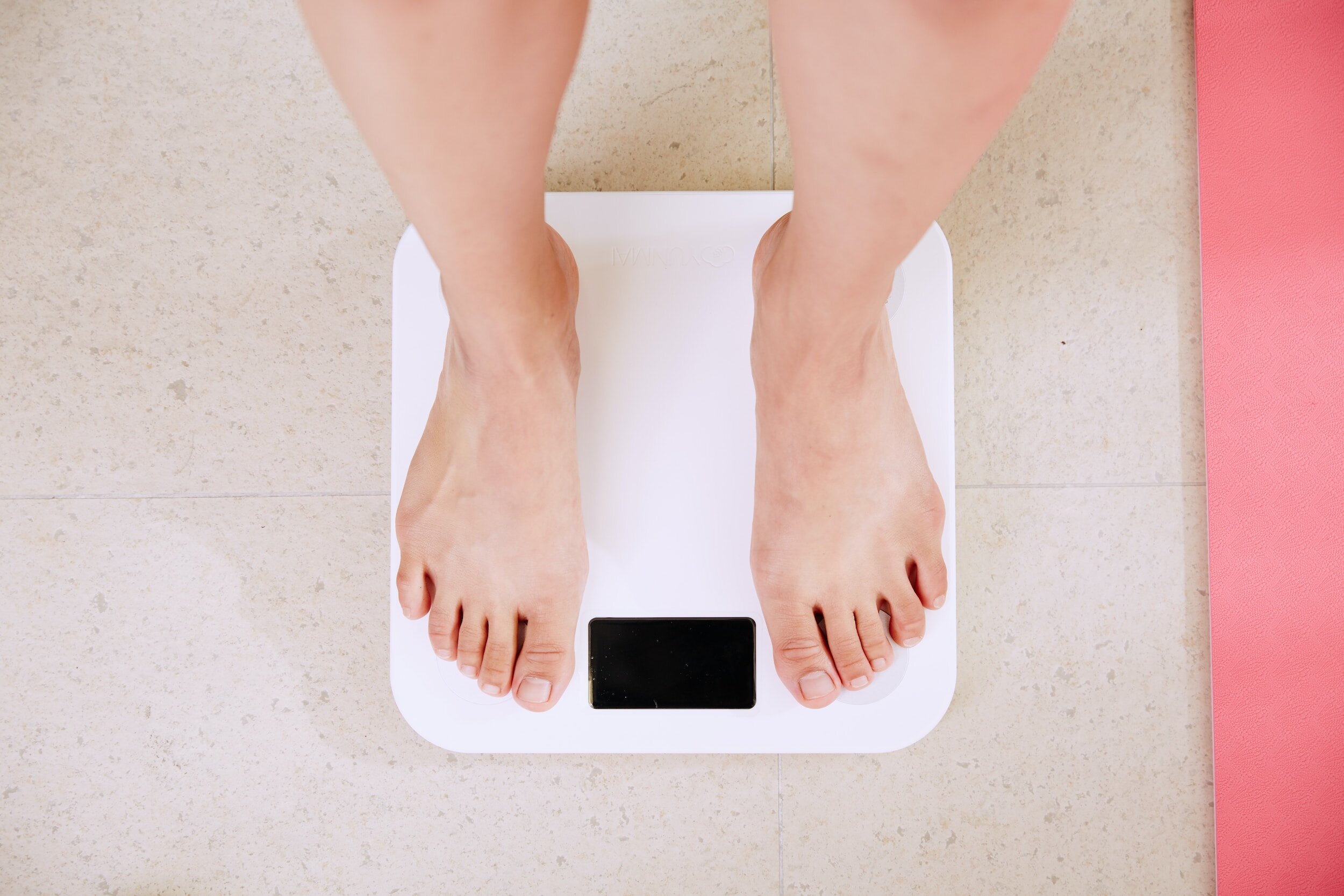
Losing weight is a goal many people aspire to achieve, but it's important to approach it with a focus on long-term health and sustainability. Crash diets and extreme exercise routines may yield quick results, but they often lead to rebound weight gain and can be detrimental to your overall well-being. In this blog, we'll explore a holistic approach to weight loss that emphasizes healthy habits, balanced nutrition, and a positive mindset.
Set Realistic Goals
Before embarking on your weight loss journey, it's crucial to set realistic and achievable goals. Rather than aiming for rapid weight loss, focus on gradual, sustainable changes. Consult with a healthcare professional to determine a healthy target weight for your body type and individual circumstances.
Prioritize Nutrition
Nutrition plays a central role in weight loss. Instead of crash diets that restrict specific food groups, opt for a balanced and varied diet. Focus on whole, unprocessed foods such as fruits, vegetables, lean proteins, whole grains, and healthy fats. Portion control is also key; be mindful of your serving sizes to avoid overeating.
Practice Mindful Eating
Mindful eating involves paying attention to your body's hunger and fullness cues. Avoid distractions like watching TV while eating and savor each bite. This helps prevent overeating and promotes better digestion.
Stay Hydrated
Drinking enough water is essential for overall health and can aid in weight loss. Sometimes, our bodies mistake thirst for hunger, leading to unnecessary snacking. Aim for at least eight glasses of water per day and consider starting your meals with a glass of water to help control your appetite.
Exercise Regularly
Incorporate regular physical activity into your routine. Choose activities you enjoy to make exercise sustainable and enjoyable. A combination of cardio and strength training exercises can help you burn calories and build muscle, which can boost your metabolism.
Get Adequate Sleep
Quality sleep is often overlooked but crucial for weight management. Poor sleep can disrupt hormones related to appetite and stress, leading to weight gain. Aim for 7-9 hours of uninterrupted sleep each night.
Manage Stress
Chronic stress can lead to emotional eating and weight gain. Find healthy ways to manage stress, such as meditation, yoga, deep breathing exercises, or spending time in nature. These practices can help you maintain a positive mindset and reduce stress-related eating.
Monitor Your Progress
Keep track of your weight loss journey by documenting your progress. Use a journal or smartphone app to record your food intake, exercise routines, and how you're feeling. Tracking your efforts can help you identify areas for improvement and celebrate your successes along the way.
Seek Support
Don't hesitate to seek support from friends, family, or a healthcare professional. Sharing your goals and progress with others can provide accountability and motivation. Consider joining a support group or working with a registered dietitian or personal trainer for personalized guidance.
Be Patient and Persistent
Weight loss is not always linear, and plateaus and setbacks are common. It's essential to remain patient and persistent throughout your journey. Remember that small, consistent changes can lead to long-lasting results.
Conclusion
Losing weight is about more than just shedding pounds; it's about improving your overall health and well-being. By focusing on sustainable habits, balanced nutrition, and a positive mindset, you can achieve your weight loss goals and maintain a healthier lifestyle in the long run. Remember, it's not just about the destination; it's about the journey toward a healthier and happier you.

The Importance of Rest Days in Your Workout Routine
Introduction:
When it comes to fitness, many of us have an unwavering determination to push ourselves to the limit day after day. We want to see results, and we believe that the more we exercise, the better. While exercise is undoubtedly essential for a healthy lifestyle, there's a crucial aspect that often gets overlooked – rest days. In this blog, we'll explore why rest days are just as important as your workout days, and how they can actually help you achieve your fitness goals.
Muscle Recovery and Repair:
One of the primary reasons rest days are crucial is that they allow your muscles to recover and repair. When you work out, especially with strength training or high-intensity exercises, you create microscopic tears in your muscle fibers. These tears are a natural part of the muscle-building process. However, it's during rest that your body repairs these tears, making your muscles stronger and more resilient.
Injury Prevention:
Overtraining is a common pitfall in the fitness world. Pushing your body too hard without giving it adequate time to recover can lead to injuries such as strains, sprains, and even stress fractures. Rest days help prevent these injuries by reducing the constant stress on your muscles and joints, allowing them to heal and rebuild.
Mental Well-being:
Exercise doesn't only affect your body; it has a profound impact on your mind as well. Constantly pushing yourself without rest can lead to burnout, fatigue, and even mental exhaustion. Rest days provide a much-needed mental break, allowing you to recharge and maintain a positive attitude towards your fitness journey.
Improved Performance:
Paradoxically, rest days can lead to improved performance. When you give your body time to recover, you'll find that you have more energy and strength when you return to your workouts. This can lead to better performance and gains in the long run.
Hormone Balance:
Intense workouts can disrupt your hormonal balance, especially if you're not allowing enough time for recovery. Rest days help restore hormonal equilibrium, ensuring your body functions optimally.
Long-term Sustainability:
Your fitness journey is a marathon, not a sprint. Rest days are an essential part of creating a sustainable workout routine. Without them, you risk burning out or losing interest in fitness altogether. Incorporating rest days into your plan makes it more likely that you'll stick with it over the long term.
Conclusion:
In the world of fitness, rest days are not a sign of weakness; they are a strategic move towards better health and improved performance. Whether you're a seasoned athlete or just starting your fitness journey, remember that your body needs time to recover and rebuild. So, embrace your rest days, use them wisely, and watch as they contribute to your overall fitness success. Your body and mind will thank you for it in the long run.
Benefits Of Creatine
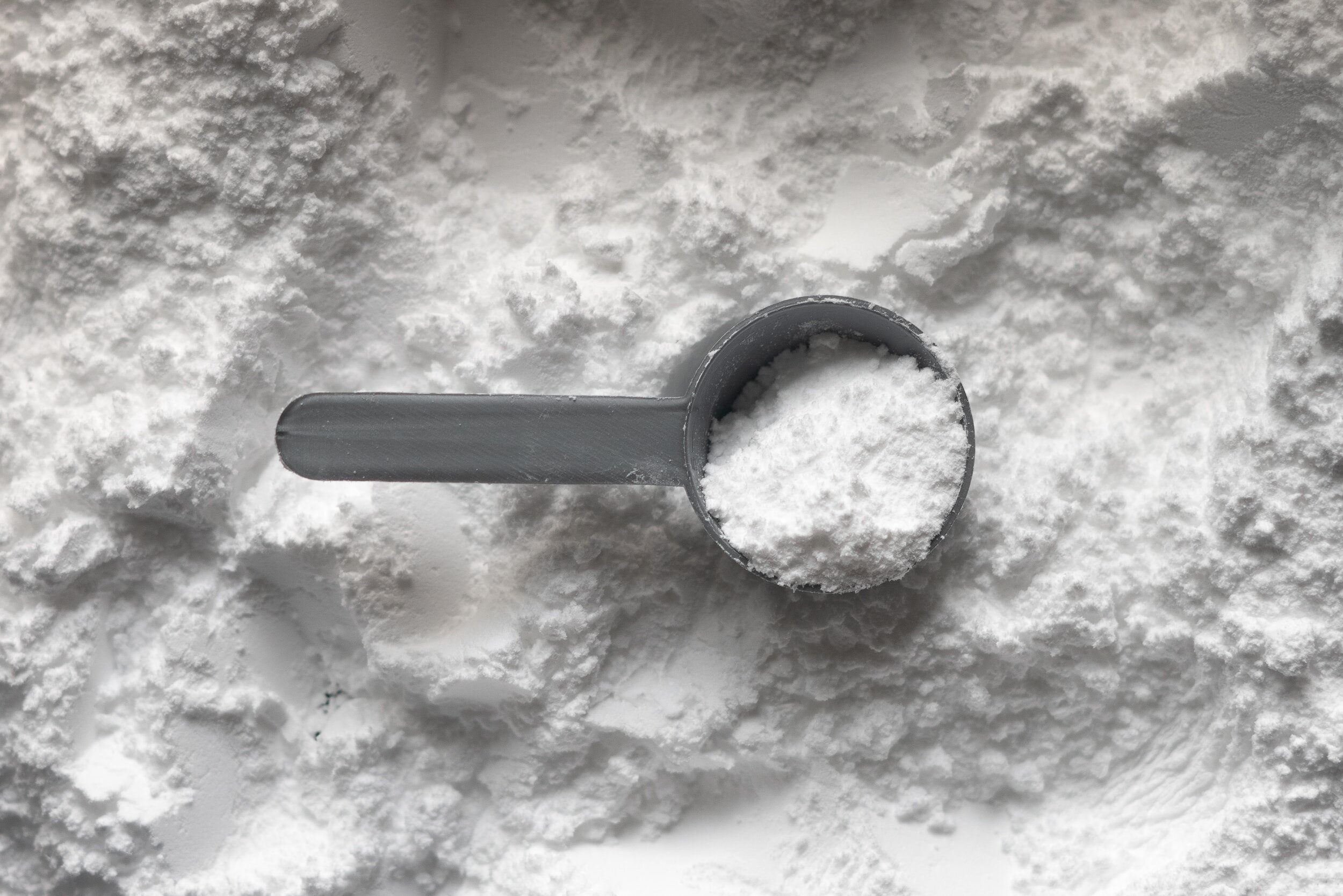
Creatine, often touted as a must-have supplement in the fitness world, has gained immense popularity for its potential to enhance physical performance and overall well-being. But what exactly is creatine, and how can it benefit individuals striving for peak performance? In this article, we'll delve into the science behind creatine, its mechanisms, and the array of benefits it offers to people of all walks of life.
Understanding Creatine: Creatine is a naturally occurring compound found in small quantities in certain foods, and it's also synthesized by our bodies, primarily in the liver, kidneys, and pancreas. It's a vital component for energy production, particularly during short bursts of intense physical activity.
Energy Boost for Muscles: Creatine's main function lies in its ability to rapidly replenish adenosine triphosphate (ATP) – the molecule responsible for providing energy to cells, especially muscles. This quick energy regeneration is essential for activities like weight lifting, sprinting, and high-intensity interval training (HIIT). By increasing the availability of ATP, creatine allows individuals to push harder during workouts and achieve greater gains in strength and power.
Enhanced Muscle Growth: One of the most sought-after benefits of creatine supplementation is its potential to promote muscle growth. It does this by increasing water content in muscle cells and facilitating the synthesis of proteins that contribute to muscle development. This not only leads to an increase in muscle mass but also aids in muscle recovery after intense exercise.
Improved Exercise Performance: Creatine's positive impact on exercise performance goes beyond just strength gains. It has been shown to enhance endurance, allowing individuals to maintain their intensity for longer periods. This can be especially beneficial for athletes participating in sports that require sustained effort, such as cycling, swimming, and team sports.
Cognitive Benefits: Beyond its physical advantages, recent research suggests that creatine may also offer cognitive benefits. Studies have indicated that creatine supplementation could improve cognitive function, particularly in tasks that require short-term memory, reasoning, and rapid decision-making. This opens up the possibility of creatine being used to support brain health and mental acuity.
Dosage and Safety: Typically, creatine supplementation involves a "loading phase" of 20-25 grams per day for 5-7 days, followed by a "maintenance phase" of 3-5 grams per day. It's generally safe for most individuals, with very few reported side effects. However, consulting a healthcare professional before starting any supplementation regimen is recommended, especially for those with pre-existing medical conditions.
Conclusion: Creatine, a naturally occurring compound with a vital role in energy production, has proven itself to be a powerhouse supplement for improving exercise performance, muscle growth, and potentially cognitive function. Whether you're an athlete aiming for peak physical performance or an individual looking to enhance your overall well-being, creatine could be a valuable addition to your regimen. As with any supplement, informed usage and professional guidance are key to unlocking its full potential.

Carbs & Weight Loss
Carbohydrates are not inherently bad for you when you're trying to lose weight. However, the type and quantity of carbohydrates you consume can affect your weight loss progress and overall health.
Carbohydrates are an essential macronutrient and serve as a primary source of energy for the body. They can be found in foods like fruits, vegetables, whole grains, legumes, and dairy products. These are generally considered healthier sources of carbohydrates because they provide important nutrients such as fiber, vitamins, and minerals.
The issue arises when you consume excessive amounts of refined carbohydrates and added sugars, which are commonly found in processed foods like sugary drinks, white bread, pastries, and desserts. These types of carbohydrates are often low in nutritional value, high in calories, and can lead to weight gain if consumed in excess.
When it comes to weight loss, the key factor is creating a calorie deficit, which means consuming fewer calories than you expend. This can be achieved through various dietary approaches, including low-carbohydrate diets, low-fat diets, or balanced macronutrient diets.
Some people find that reducing their carbohydrate intake can help with weight loss because carbohydrates can be more quickly converted into energy and may not keep you feeling as full for as long as protein and fat. However, it's important to note that individual responses to different diets can vary, and what works for one person may not work for another.
The most sustainable approach to weight loss is typically a well-rounded, balanced diet that includes a variety of nutrients. It's important to focus on consuming complex carbohydrates from whole foods, along with adequate protein, healthy fats, and plenty of fruits and vegetables. This can help you feel satisfied, maintain energy levels, and provide the necessary nutrients for overall health.
Remember, it's always a good idea to consult with a healthcare professional or registered dietitian who can provide personalized guidance based on your specific needs and goals.

Why Rest Is Important
Rest days are an essential part of any workout routine. They allow your body to recover and adapt to the stress imposed by exercise, reducing the risk of overuse injuries and promoting muscle growth. The frequency of rest days depends on various factors, including the intensity and duration of your workouts, your fitness level, and individual recovery capacity. Typically, it is recommended to have at least one or two rest days per week. However, listening to your body and adjusting your rest days accordingly is crucial. If you feel excessively fatigued, experience persistent muscle soreness, or notice a decline in performance, it may be a sign that you need more rest. Ultimately, finding the right balance between exercise and rest is key to achieving long-term progress and avoiding burnout.

Can I Out-Train a Bad Diet?
No, you cannot "train" a bad diet. A healthy diet is essential for overall health and well-being, and a poor diet can have many negative consequences on your health. While regular exercise can help mitigate some of the negative effects of a bad diet, it cannot make up for all the health problems that can arise from an unhealthy diet.
Eating a diet that is high in processed foods, sugar, saturated and trans fats, and low in fruits, vegetables, whole grains, and lean proteins can lead to weight gain, high blood pressure, high cholesterol, heart disease, diabetes, and many other health problems. It's important to prioritize a healthy and balanced diet to maintain optimal health.

Do I Need to Workout Every Day to Get Fit?
One of the most common questions asked by people starting their fitness journey is whether or not they need to work out every day to get fit. In this blog post, we'll explore the answer to this question and what it takes to achieve your fitness goals.
The short answer is no, you don't need to work out every day to get fit. In fact, rest and recovery are just as important as exercise when it comes to achieving your fitness goals. Overtraining can lead to injury, burnout, and a decrease in performance.
The American Heart Association recommends at least 150 minutes of moderate-intensity exercise or 75 minutes of vigorous-intensity exercise per week. This breaks down to about 30 minutes of exercise, five days per week. However, the amount and intensity of exercise needed to achieve your fitness goals may vary depending on your individual needs and goals.

Why Push, Pull, Legs may be the right Workout Plan for You
Finding the right workout plan can be overwhelming with so many options available. However, one popular and effective workout plan is the Push, Pull, Legs (PPL) split. In this blog post, we'll explore the benefits of the PPL split and why it may be the right workout plan for you.
The Push, Pull, Legs split is a three-day workout plan that focuses on specific muscle groups for each day. On the first day, you perform pushing exercises such as bench press and shoulder press. On the second day, you perform pulling exercises such as pull-ups and rows. And on the third day, you focus on lower body exercises such as squats and deadlifts.
One of the main benefits of the PPL split is that it allows you to focus on specific muscle groups and perform exercises that are complementary to each other. For example, pushing exercises such as bench press and shoulder press work the chest, shoulders, and triceps, while pulling exercises such as pull-ups and rows work the back and biceps. This can help prevent muscle imbalances and improve overall strength and muscle definition.
Another benefit of the PPL split is that it allows for flexibility and customization. You can adjust the number of sets and reps for each exercise, as well as the weight you use, based on your individual fitness level and goals. This can help ensure that you're constantly challenging yourself and making progress.

Inactivity: The Silent Killer of Your Muscle Growth
Muscle growth is an essential component of any fitness routine. However, it's not just about lifting weights and eating protein-rich foods. In order to build and maintain muscle mass, you must also stay active and avoid inactivity. In this blog post, we'll discuss why inactivity can kill your muscle growth and what you can do to prevent it.
When you engage in physical activity, your body responds by breaking down muscle tissue. However, this breakdown is necessary for muscle growth and repair. When you rest and recover, your body repairs and rebuilds the muscle tissue, resulting in stronger and bigger muscles.
But what happens when you become inactive and sedentary? Your muscles no longer receive the signals to break down and rebuild, leading to a decrease in muscle mass and strength. This is because your body adapts to the demands placed on it. When you stop placing demands on your muscles, your body no longer sees the need to maintain muscle mass and will start to break it down.
In addition to the loss of muscle mass, inactivity can also lead to a decrease in metabolic rate, which can lead to weight gain and other health problems. This is because your body burns fewer calories when you're inactive, making it harder to maintain a healthy weight.
So, what can you do to prevent inactivity from killing your muscle growth? The key is to stay active, even on days when you're not lifting weights. This can include taking a walk, going for a jog, or participating in other forms of physical activity. It's also important to avoid prolonged periods of sitting or lying down. Even small movements such as standing up and stretching can help keep your muscles active.
In addition to staying active, it's important to maintain a healthy diet and get enough rest and recovery time. Your body needs the right nutrients and time to repair and rebuild muscle tissue.
Inactivity can be a silent killer of your muscle growth. By staying active and avoiding prolonged periods of inactivity, you can help prevent muscle loss and maintain a healthy weight. Remember to listen to your body and give it the rest and recovery time it needs to repair and rebuild muscle tissue. By incorporating these habits into your fitness routine, you can help ensure long-term muscle growth and overall health.

Cardio or Weightlifting: Which Burns More Calories?
When it comes to burning calories, there are many different exercises to choose from. However, two of the most popular forms of exercise are cardio and weightlifting. But which one is more effective for burning calories? In this blog post, we'll compare the calorie-burning benefits of cardio and weightlifting to help you make the best decision for your fitness goals.
Cardio exercises such as running, cycling, and swimming are known for their calorie-burning benefits. This is because cardio exercises elevate your heart rate, which leads to increased energy expenditure. Depending on the intensity and duration of your cardio workout, you can burn a significant number of calories. For example, a 30-minute run at a moderate pace can burn around 300 calories.
On the other hand, weightlifting is often thought of as a way to build muscle mass and increase strength rather than burn calories. However, weightlifting can also be an effective way to burn calories. This is because weightlifting creates micro-tears in your muscle fibers, which require energy to repair. This energy requirement, also known as the afterburn effect, can lead to increased calorie burning even after your workout is over.

Lifting Heavier Weights Will Give You More Gains - Fact or Fiction?
When it comes to strength training, the age-old question has always been "should I lift heavy or light weights?" While there are benefits to both, there is a common belief that lifting heavier weights will give you more gains. But is this really true, or is it just a myth? In this blog post, we'll explore the science behind lifting heavier weights and whether it's worth the effort.

Nutritious Eating Will Save Your Life: A Comprehensive Guide
The saying "you are what you eat" is not just a cliché, but a fact. The food we consume has a significant impact on our health and well-being. Nutritious eating can help reduce the risk of chronic diseases, improve our immune system, and increase our life span. In this blog post, we will discuss the importance of nutritious eating and its benefits.
What is Nutritious Eating?
Nutritious eating involves consuming foods that are high in essential nutrients such as vitamins, minerals, fiber, and protein. A nutritious diet includes a variety of fruits, vegetables, lean protein, whole grains, and healthy fats. These foods provide our body with the necessary nutrients to function optimally.
Benefits of Nutritious Eating:
Reduced Risk of Chronic Diseases: Nutritious eating can help reduce the risk of chronic diseases such as diabetes, heart disease, and cancer. A diet high in fruits, vegetables, and whole grains can lower blood pressure and cholesterol levels, which can prevent heart disease.
Improved Immune System: Nutritious eating can help boost our immune system. Foods rich in vitamin C, such as oranges and strawberries, can help increase white blood cells' production, which can help fight infections.
Increased Energy and Mental Clarity: A nutritious diet can help increase energy levels and improve mental clarity. Foods high in fiber, such as whole grains, can provide a slow-release of energy, which can sustain us throughout the day.
Better Digestion: Nutritious eating can help improve digestion. Foods high in fiber, such as fruits and vegetables, can help regulate bowel movements and prevent constipation.
Tips for Nutritious Eating:
Eat a variety of fruits and vegetables.
Choose whole grains over refined grains.
Limit processed and sugary foods.
Include lean protein sources such as chicken, fish, and tofu.
Incorporate healthy fats such as avocado, nuts, and olive oil.
Conclusion:
Nutritious eating is essential for a healthy lifestyle. It can help reduce the risk of chronic diseases, boost our immune system, increase energy levels, and improve mental clarity. By following the tips provided in this blog post, you can start on the path to a healthier life. Remember, small changes can make a big difference in your overall health and well-being.

Understand Your Body Type to Get in Shape
In fact, it can be a fun and rewarding experience if you understand the nuances of your body type. Knowing your body type can help you tailor your routine so that it's more effective and efficient for your specific body type. Here we'll discuss the three main body types and how you can use them to find an exercise program that's tailored to you.
Ectomorphs are characterized by having a lean frame and low fat levels. These people tend to find it difficult to gain muscle mass, so their workouts should focus on heavy weightlifting and higher reps (8-12). The goal is to do exercises that stimulate muscle growth without putting too much strain on the joints. Ectomorphs should also focus on eating plenty of protein as well as complex carbohydrates such as quinoa, oats, sweet potatoes, and brown rice.
Mesomorphs have naturally muscular frames with medium fat levels. They are able to gain muscle mass relatively easily but they often struggle with burning fat quickly. Mesomorphs should focus on strength training with moderate weights rather than heavy weights; they should also include cardio into their workout routine in order to burn off excess fat. It's important for mesomorphs to eat a balanced diet that includes plenty of lean proteins, complex carbs, healthy fats, and fruits/vegetables in order to support their active lifestyle.
Endomorphs have larger frames with higher fat levels than ectomorphs or mesomorphs. Endomorphs often have difficulty losing weight due to their biology; thus, their workouts should focus on high-intensity interval training (HIIT) as well as cardiovascular exercises such as running or cycling. Additionally, endomorphs should be sure to avoid processed foods and instead focus on eating unprocessed whole foods such as fruits, vegetables, lean proteins, nuts/seeds, legumes/beans etc., in order for their bodies to function at its best capacity.
No matter what your body type is, it's important to remember that everyone is different when it comes down getting in shape—and that means having different goals depending on one's unique genetic makeup and physical characteristics. Once you understand your body type better, you'll be able to craft a workout plan specifically tailored towards helping you get fit faster while still enjoying the process. So take some time today and learn more about your body type—you might just find out something interesting about yourself!

Getting Fit Doesn’t Require as Much Time as You’d Think…
How much time would you be willing to put in to get your dream body?
Luckily getting fit doesn't have to take up all of your time! With a little bit of dedication and focus, you can make the most of what you have and start seeing results. Pace yourself; try breaking down your goals into attainable steps that you can accomplish in reasonable amounts of time.
Focus on one at a time and watch your progress skyrocket. To help yourself stay focused and motivated, set realistic eating goals for yourself that fit around your lifestyle. Eating right is an important part of getting fit as it helps to fuel your body and stay energized so that you can reach each goal with confidence!
All in all, fitness isn't just about working hard--it's also about finding the right balance for you. If you're pushing yourself too much, you'll only end up getting burnt out and giving up altogether. But if you don't push yourself enough, you won't make any progress at all. It's important to find a happy medium that works for you so that you can stick with your workout routine and see results.
Remember; even small changes can make a big difference over time! Ready to get started?

Why Pacing Yourself is Important
Are you struggling to get the most out of your workout?
It can be tempting to try and push yourself too hard at the gym, but that could actually do more harm than good. Pacing yourself when working out is a great way to maximize your effort and maintain long term results. In this blog post we'll discuss why pacing yourself is important, how it impacts different types of workouts, and a few tips for starting off slow so you can build up gradually. Whether you're just getting started on your fitness journey or you've been going to the gym for years - make sure to keep reading!
Pacing yourself is one of the most important aspects of working out. Taking your time and focusing on the movement instead of the weight can make all the difference in making sure you're doing an exercise correctly and safely. You don't want to rush, because it's not a race to see how quickly you can work out -- it's a long-term approach that will help your muscles grow and strengthen faster in the long run. Pace yourself and focus on form, and you'll be sure to maximize your results with every workout!
Now that you know all about the importance of pacing yourself at the gym, put it into practice! Remember, Pacing = Power. By learning to control and master your pace, you will be able to reap all the benefits of working out without overexerting or injuring yourself. So what are you waiting for?
Click here to get the perfect body.